Besides a complete list of the old URLs, backups are essential. Nothing is more reassuring than being able to roll back quickly if there are problems. So do not just back up all data; run through the restore once as a test before the relaunch.
Tip: if you decide on a rollback, decide quickly. Search engines notice a new website fast and index it. The longer you hesitate, the more new pages are in the index and the greater the effort to clean this up again.
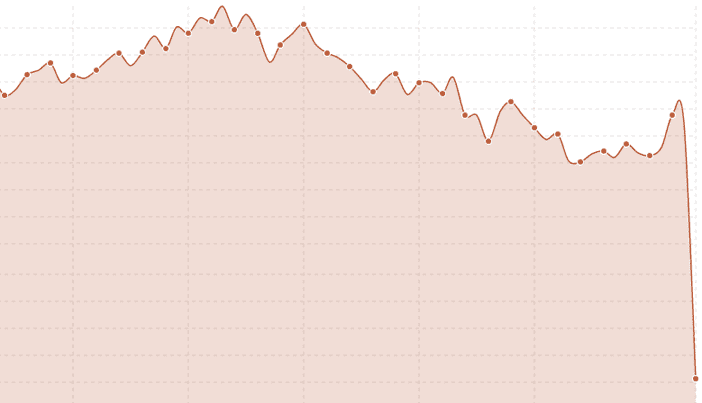
Not every relaunch goes smoothly. Time pressure often plays a part, or a detail has been overlooked. The basic rule: do not panic! Slight losses in visibility in the first weeks are not unusual. If you have followed the points in this article, visibility generally recovers. If the losses are above 30 per cent, however, there is a problem that should be found quickly.
An analysis in Search Engine Journal from January 2025 shows how costly errors can be. It looks at 892 domain migrations based on estimated tool data. On average it took 523 days for the new domain to reach the organic traffic of the old one again. 17 per cent had not regained it even after 1,000 days. A domain change is the hardest case, so the figures do not apply to every relaunch. But they show why preparation pays off. Our rule of thumb: an SEO requirement that is only implemented after go-live costs around three times as much.
If you want to play it safe from the outset, we support your project with our SEO relaunch support: from the requirements catalogue and the redirect plan to monitoring after go-live.