

How does Client Side Tracking work?
Client Side Tracking refers to the method of data collection on the client side of a website or application. Unlike server-side tracking, where data collection occurs on the server, the client-side method collects data directly on the user’s device. Client Side Tracking uses various technologies and methods to collect data on the client side. Some commonly used technologies include cookies, local storage, web storage, and JavaScript.
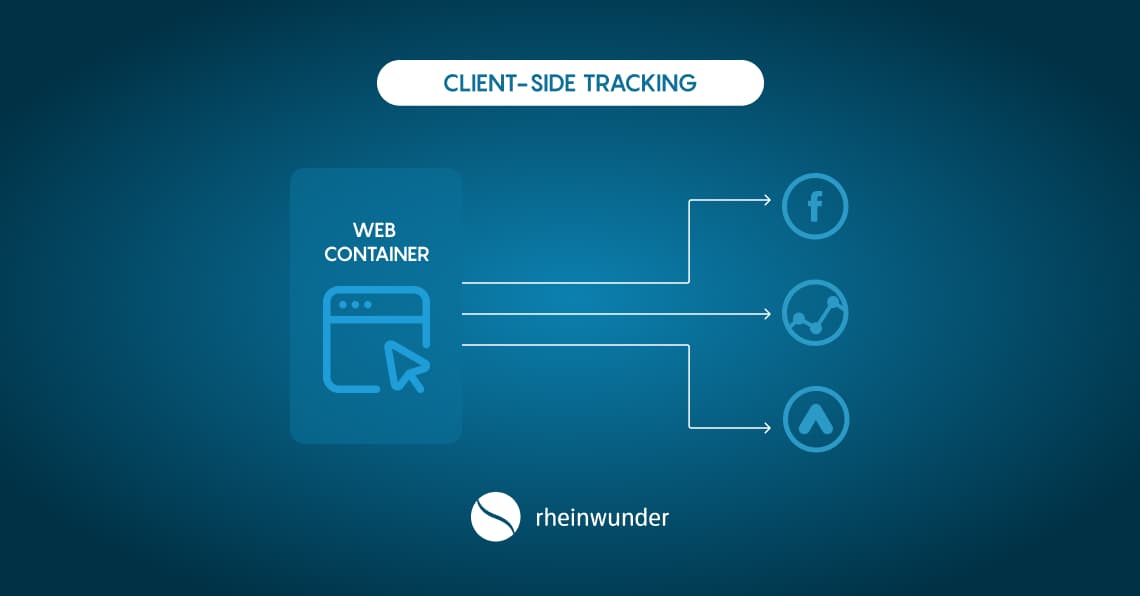
- Cookies: Cookies are small text files that are stored on the users’ devices when they visit a website. These cookies contain information about the website visit and can be used to identify users and track behavior patterns. Cookies can also be used to store user data such as login information and settings.
- Local Storage and Web Storage: Local Storage and Web Storage are also methods for storing data on users’ devices. These technologies can be used to store data across different pages and sessions. Unlike cookies, they can store larger amounts of data and are persistent.
- JavaScript: JavaScript is a scripting language used in web pages to enable dynamic interactions and functions. JavaScript can also be used to collect data by gathering information about users and their interactions with the website.
Why is Client Side Tracking used?
Client Side Tracking is used to collect a variety of data that is relevant for the analysis and optimization of the user experience on a website or application_. Some of the most common types of data collected include:
- User Behavior: Client Side Tracking is used, for example, to collect information about how users interact with a website or application. This can include which pages they visit, how long they stay on each page, and what actions they take.
- Device Information: By using Client Side Tracking, information about users’ devices can be collected, including the operating system, browser, and screen resolution. This information can be used to ensure that the website or application is displayed optimally on users’ devices.
- Target Audience Analysis: Client Side Tracking can also be used to collect information about the audience of a website or application. This can include what demographic characteristics the visitors have and what interests they have.
How does Server Side Tracking work and what advantages does it offer?
Server Side Tracking is a method of data collection that is conducted on the server side, in contrast to Client Side Tracking. Here, data is collected on the server before being forwarded to the client. Below, we will explain the advantages, challenges, and best practices of Server Side Tracking in more detail.
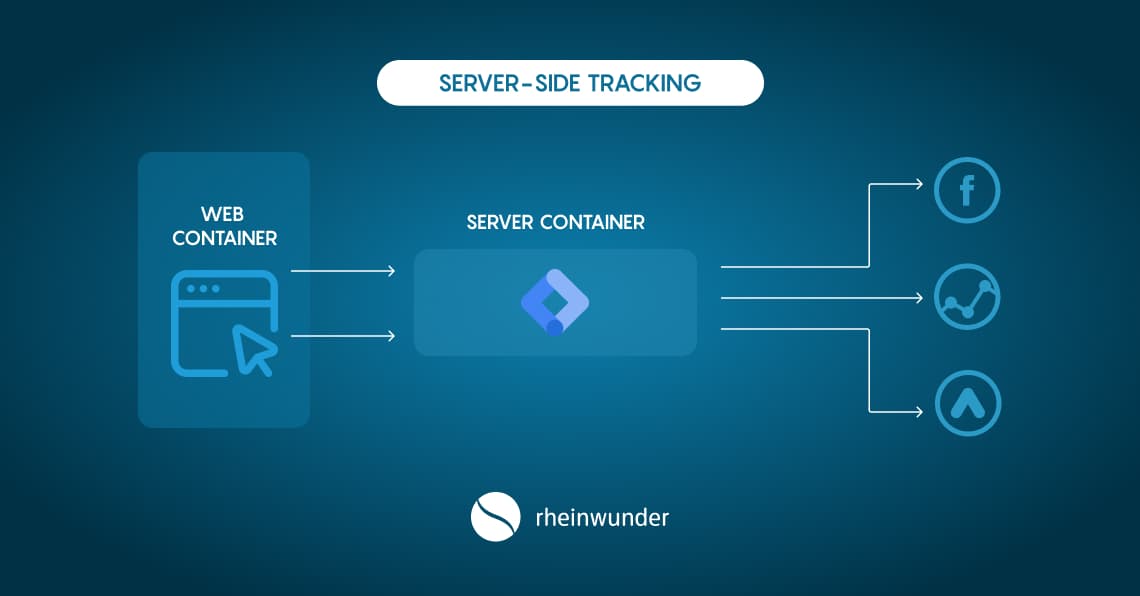
- Better data security: One of the biggest advantages of server-side tracking is the improved data security. Since the data is collected on the server, it is less susceptible to abuse or loss. The security measures at the server level are usually also more advanced than on the client side, which helps keep the data secure.
- Less susceptibility to ad blockers: Unlike client-side tracking, server-side tracking is performed by the server, which means it is less susceptible to ad blockers. This means that companies have a higher success rate in data collection and can thus conduct more accurate analyses.
- Lower impact on website performance: Another important consideration when it comes to tracking is the impact on website performance. Since the data is collected server-side, it is less likely to affect website performance. Client-side tracking can lead to slow JavaScript requests, thereby negatively impacting website performance.
Challenges of Server Side Tracking
- Complexity: Server Side Tracking is generally significantly more complex than Client Side Tracking. It usually requires special server software and tools to collect and analyze data. A certain level of technical knowledge is also necessary to implement Server Side Tracking correctly.
- Difficulties in data collection: Data collection can also be more difficult as it takes place on the server side. This means that it can be more challenging to collect certain user data, especially if the user has no interaction with the website or application.
- Costs: Server Side Tracking is generally more expensive than Client Side Tracking. It requires specialized software and hardware to collect and analyze data on the server side. This can be a financial burden for smaller businesses or websites.
Best Practices for Server Side Tracking
Use of secure data transmission protocols
Since server-side tracking is performed on the server side, it is important to use secure data transmission protocols such as HTTPS. This protects user data from theft or misuse.
Compliance with Data Protection Laws
When it comes to Server Side Tracking, it is particularly important to comply with data protection laws to protect user privacy. Companies should ensure that they obtain the consent of users before collecting their data. Additionally, they should ensure that the collected data is only used for legitimate purposes and not shared with third parties without informing the users. Companies should also ensure that they store the data securely and implement appropriate security measures to prevent unauthorized access to the data. By complying with data protection laws, companies can gain user trust and protect themselves from legal consequences.
Conclusion: Client Side vs. Server Side Tracking
Client Side and Server Side Tracking are two different methods for collecting and analyzing user activities on a website or application. While Client Side Tracking is conducted on the client side, Server Side Tracking takes place on the server side.
Client Side Tracking offers the advantage of being easier to implement and allows for faster data collection. However, it also has disadvantages such as a higher susceptibility to ad blockers, privacy concerns, and impacts on website performance. In light of the fact that Client Side Tracking is generally based on third-party cookies and more and more browsers no longer support these (for example, Google Chrome only until the end of 2024), this method of data collection is being used less and less.
Server Side Tracking offers the advantage of improved data security, lower susceptibility to ad blockers, and less impact on website performance. However, it also has challenges such as higher complexity, difficulties in data collection, and higher costs.
It is important for companies to consider their specific requirements and needs when choosing the tracking method and to ensure compliance with data protection laws. Both methods have their pros and cons, and the choice depends on the specific situation and the needs of the company.
Overall, both Client Side and Server Side Tracking provide valuable insights into user behavior on a website or application and enable companies to improve their user experience and optimize their business strategies.
If you are interested in implementing Server Side Tracking, do not hesitate to contact us. Our experienced experts can assist you in selecting and implementing the best solution for your company. Contact us now for more information.